

tempered glass wholesale
Replacing the Outside Water Valve A Step-by-Step Guide The outside water valve is an essential component of your home’s plumbing system, controlling the water flow to your outdoor spigots and irrigation systems. Over time, valves can corrode or develop leaks, leading to water waste and potential damage to your property. Replacing a faulty outside water valve may seem daunting, but with the right tools and a bit of know-how, this task can be accomplished efficiently. This article will guide you through the process of replacing your outside water valve, ensuring you can maintain a functional and leak-free plumbing system. Tools and Materials Needed Before you start, gather the necessary tools and materials. You will need - A new outside water valve (make sure to choose the appropriate size) - A pipe wrench or adjustable wrench - A screwdriver - Teflon tape - Plumber's grease - A bucket or towel for any residual water - Safety goggles - A utility knife (if needed) Step 1 Turn Off the Water Supply The first and most crucial step is to turn off the main water supply to your house. This will prevent any unwanted flooding while you work. Locate the main shut-off valve, typically found in the basement or near the water meter, and turn it clockwise until it is fully closed. Once the water supply is off, open any outdoor spigots to relieve pressure and drain any remaining water from the pipes. Step 2 Remove the Old Valve After ensuring that the water supply is off and the pipes are drained, locate the old valve. Depending on its installation, it may be secured with screws or tightly threaded onto the pipes. Use your pipe wrench to loosen the fittings. If the valve is attached to copper pipes, you may need to cut the old valve out with a utility knife or pipe cutter; be cautious to avoid damaging the surrounding pipes. Be sure to have a bucket or towel on hand to catch any residual water that might still be in the pipes . Once the valve is removed, inspect the surrounding area for any signs of corrosion or damage that might need addressing before installing the new valve. outside water valve replacement Step 3 Install the New Valve With the old valve removed, it’s time to install the new one. Begin by applying Teflon tape to the threads of the new valve to ensure a watertight seal. Then, position the valve onto the pipes and secure it tightly using your wrench. Avoid overtightening, which can damage the threads or crack the valve. Once the new valve is in place, check to make sure it is correctly oriented, allowing you to turn it easily into the open and closed positions. Step 4 Turn the Water Supply Back On With the new valve installed, it’s time to turn the water supply back on. Go back to the main shut-off valve and turn it counterclockwise. As the water flows back into the system, check for any leaks around the new valve. If you notice any drips, tighten the fittings slightly until the leaks stop. Step 5 Test the New Valve Finally, you’ll want to test your new valve. Open the outdoor spigot gradually and observe for any leaks or abnormalities. Ensure that the water flows smoothly and that you can easily turn the valve on and off. Conclusion Replacing an outside water valve is a manageable DIY project that can save you money and prevent future plumbing headaches. By following these steps, you can ensure a proper installation and maintain the integrity of your home’s plumbing system. Remember to prioritize safety and, if you feel uncertain at any point, consulting a professional is always a wise choice. Happy plumbing!
about
tempered glass wholesale
Understanding Hydraulic Ball Check Valves Key Components and Applications Hydraulic systems are integral to a multitude of industrial processes, from manufacturing to construction. One critical component often utilized in these systems is the hydraulic ball check valve. This article delves into the specifics of hydraulic ball check valves, exploring their design, functionality, advantages, and various applications. What is a Hydraulic Ball Check Valve? A hydraulic ball check valve is a mechanical device used to prevent backflow in hydraulic systems. It is designed to allow fluid to flow in one direction while blocking it from flowing in the opposite direction. The heart of the valve is a sphere, traditionally made of steel or plastic, which moves up and down within a cylindrical housing. When fluid flows in the intended direction, the ball is pushed away from the valve seat, allowing fluid to pass through. If the flow reverses, the ball is pushed back against the seat, creating a seal that prevents backflow. Design and Construction The construction of a hydraulic ball check valve typically comprises a valve body, a ball (the closure element), and a spring (which may or may not be present depending on the valve design). The valve body is usually made from durable materials such as brass, stainless steel, or thermoplastics, ensuring compatibility with various fluids and operating conditions. The ball itself is engineered to fit precisely in the valve seat, allowing for a close seal when the valve is closed. This design minimizes leakage and maximizes efficiency. Moreover, the size of the valve—like the diameter of the opening—affects flow rates and pressure drops, necessitating careful selection based on the specific hydraulic application. Functionality of Hydraulic Ball Check Valves The primary function of a hydraulic ball check valve is to prevent backflow, which can lead to system failures, contamination of fluids, or damage to equipment. Backflow can occur for various reasons, such as equipment shutdowns, gravitational forces, or sudden changes in pressure. By ensuring unidirectional flow, ball check valves enhance the overall reliability of hydraulic systems. These valves are typically installed in pipelines, pumps, or near accumulators, where they can effectively manage fluid dynamics. They are especially valued in systems where pressure fluctuations are common, as they can quickly respond to changes, maintaining system integrity. Advantages of Hydraulic Ball Check Valves hydraulic ball check valve One of the significant advantages of hydraulic ball check valves is their simple design, which allows for easy installation and maintenance. Unlike other check valve designs, such as swing or diaphragm check valves, ball check valves have fewer moving parts, reducing the likelihood of mechanical failure. The ball's action is swift and self-activating, requiring no external power to function. This self-regulating feature is especially beneficial in applications where reliability is paramount. Additionally, ball check valves offer low flow resistance, which means they do not significantly impede the passage of fluid. This characteristic is crucial in hydraulic systems that require efficient fluid transfer for optimal performance. Applications of Hydraulic Ball Check Valves Hydraulic ball check valves are utilized across various industries due to their reliability and effectiveness. Common applications include 1. Hydraulic Systems They are essential in hydraulic power units, ensuring that hydraulic fluid flows to actuators without backflow that might disrupt operations. 2. Water and Wastewater Management In water treatment plants, these valves prevent backflow, safeguarding the quality of treated water. 3. Aerospace and Automotive Hydraulic systems in aircraft and vehicles employ ball check valves to maintain safe and efficient fluid operations. 4. Manufacturing Many manufacturing processes that employ hydraulic machinery utilize ball check valves to control fluid flow and maintain pressure. Conclusion In conclusion, hydraulic ball check valves are vital components in modern hydraulic systems, providing a straightforward yet effective solution to prevent backflow. Their design, functionality, and advantages make them a preferred choice in numerous applications across various industries. As technology continues to advance, the demand for such reliable components is likely to grow, ensuring the continued efficiency and safety of hydraulic operations. Understanding the operation and benefits of hydraulic ball check valves is essential for engineers and technicians involved in fluid dynamics, ultimately contributing to the enhancement of hydraulic system performance.
-

High quality industrial productsagement

High quality industrial products
View Details -

Meet the diverse needs of customers

Meet the diverse needs of customers
View Details -

Strict quality control

Strict quality control
View Details -

Top raw materials

Top raw materials
View Details -

Trusted supplier

Trusted supplier
View Details
Our application
news and information
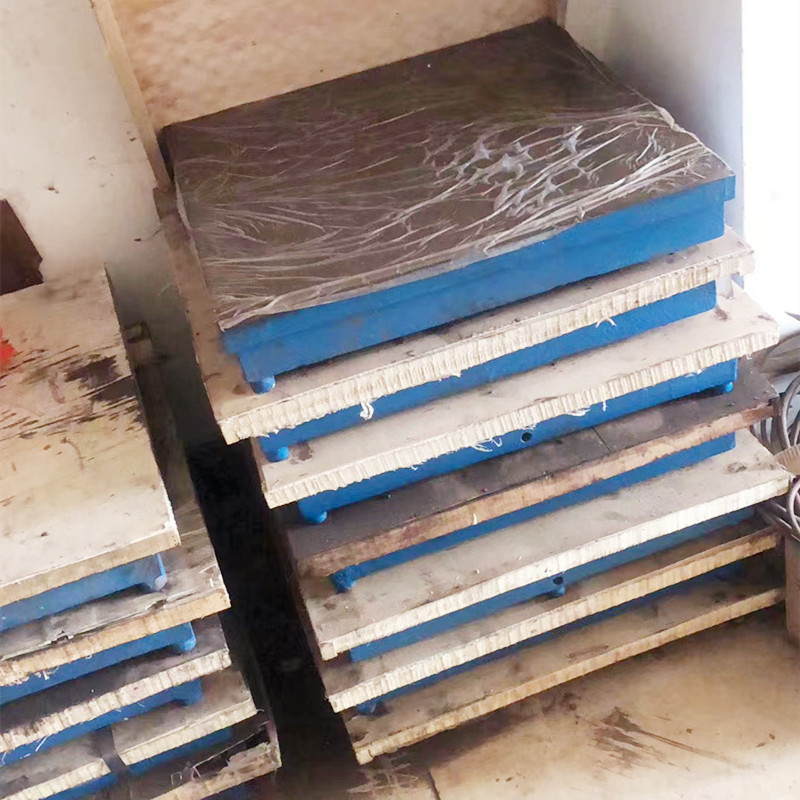
Using a Spirit Level for Accurate Measurements and Leveling Techniques
Understanding Spirit Level Measurements A Guide to Precision in Construction and Crafting In constru
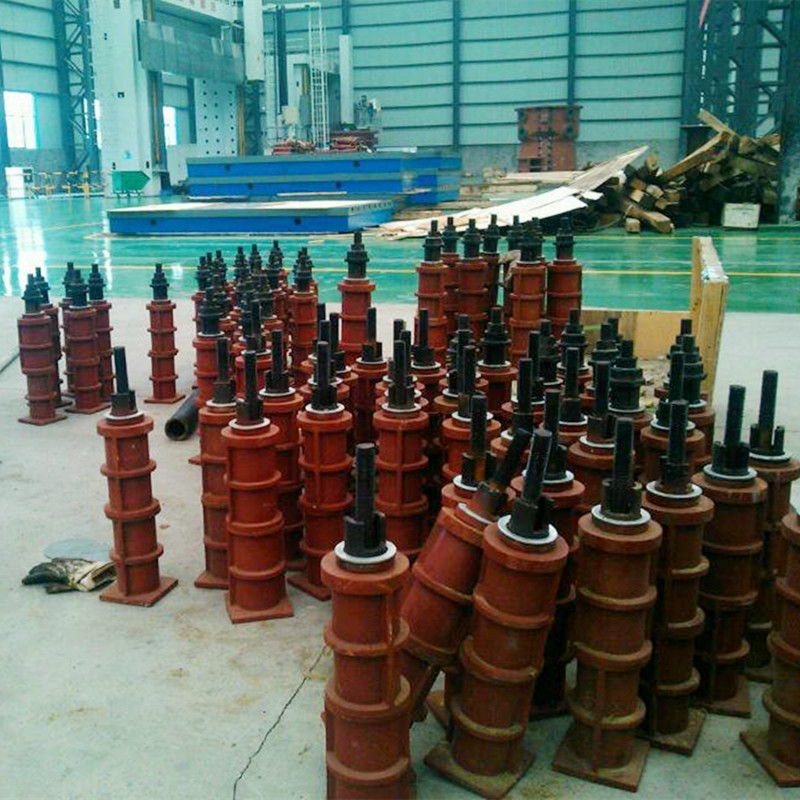
Water Valve Troubleshooting and Maintenance Tips for Homeowners
Water Valve Repair A Complete Guide Water valves are an essential component of any plumbing system,
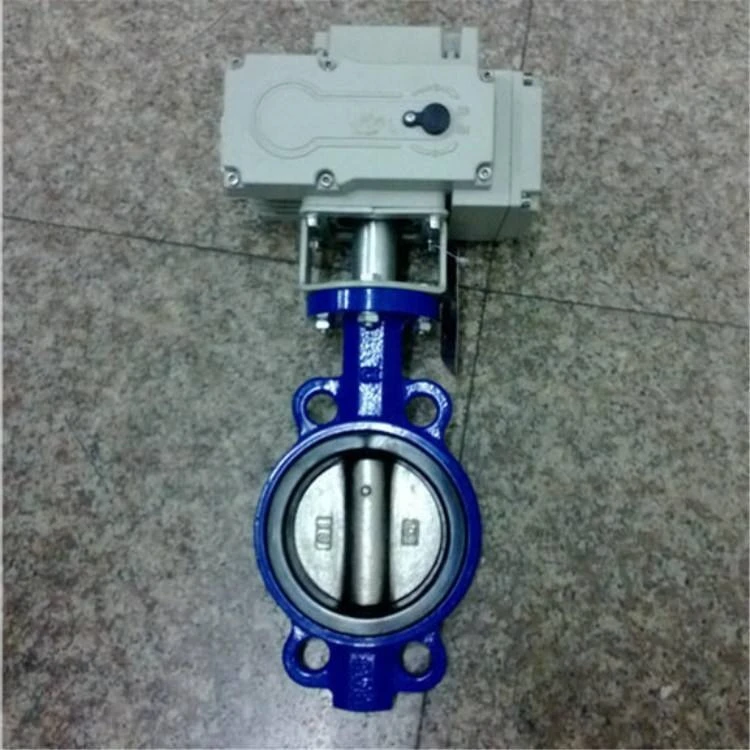
Water Flow Control Device for Efficient Shut-Off and Regulation
Understanding Water Shut-off Valves A Comprehensive Guide Water shut-off valves are essential compon
 English